Andrew HuangMD
Let’s connect
Language

Clinical AI

Clinical AI, from problem to practice.

I work across clinical workflows, AI evaluation, and prototyping. These cases show the problems, my contributions, and the work you can explore.

Hospital implementation

01

Clinical AI inside a real workflow.

Clinical documentation at VGHTPE: the problem, the project, and my contribution.

Deployed systemVGHTPE · ASUS AICS

ASUS Clinical AI Assistant

Clinical workflow contributor · not sole product ownership

An AI-assisted medical-note drafting system used at Taipei Veterans General Hospital. The public record supports the system-level deployment; Andrew’s individual contribution remains a clearly labeled personal account.

Sources & contribution details

System evidence · Independently verifiable

What the public source supports

ASUS reports that its Clinical AI Assistant was deployed at Taipei Veterans General Hospital to generate professional, format-compliant medical-note drafts.

Verify the system deployment ↗

Personal contribution account · Andrew’s description

How Andrew describes his role

Translated frontline documentation needs into data-field mappings, prompt specifications, acceptance criteria, structured test cases, and workflow feedback.

Boundary: the public announcement does not independently verify this individual contribution.
Where the work fits

02

Four connected capabilities.

These are the role families represented by the portfolio, not a statement of current employment availability.

01

Clinical AI implementation

Workflow discovery, requirements definition, testing, and clinician-engineer alignment.

02

Clinical AI evaluation

Rubric design, model-output review, reasoning evaluation, and claims quality assurance.

03

Medical AI product design

Turning clinical constraints into product decisions and testable system behavior.

04

Clinical-engineering translation

Making problems, boundaries, handoffs, and definitions of success legible across disciplines.

Public work samples

03

Projects, demonstrations & learning tools.

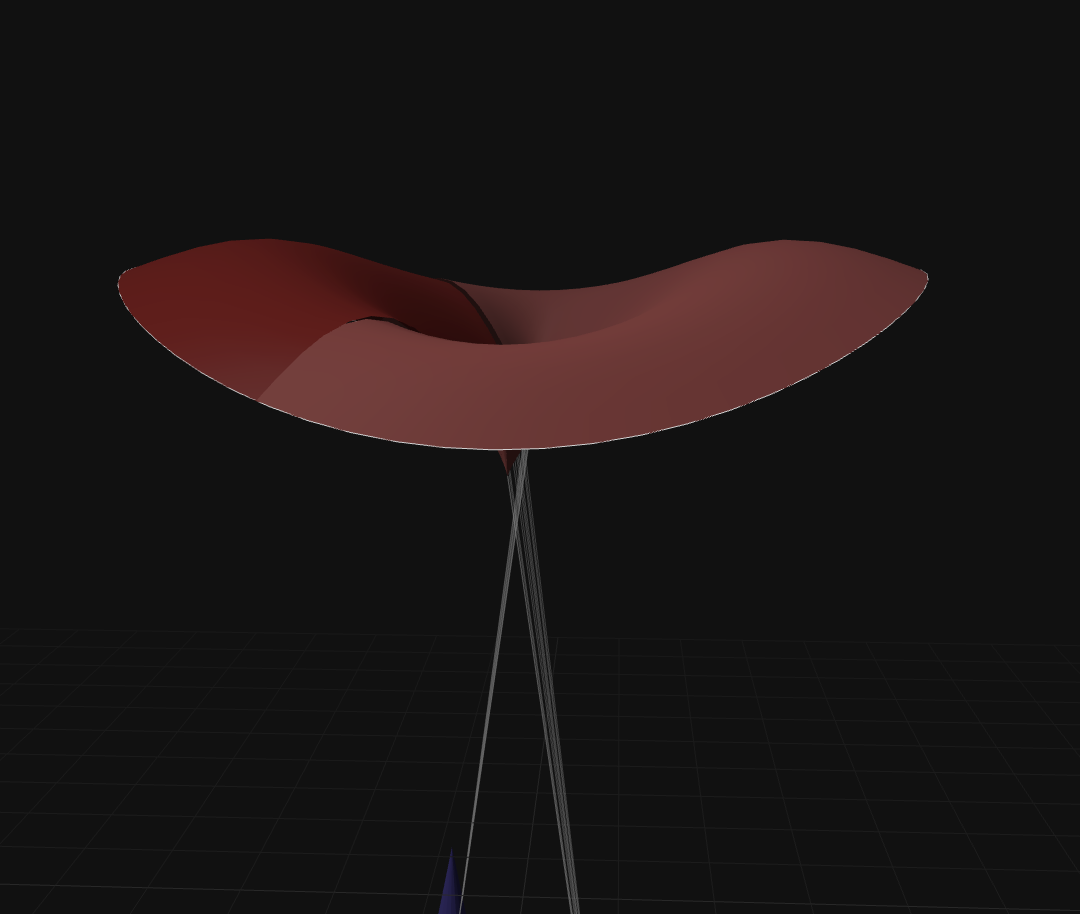
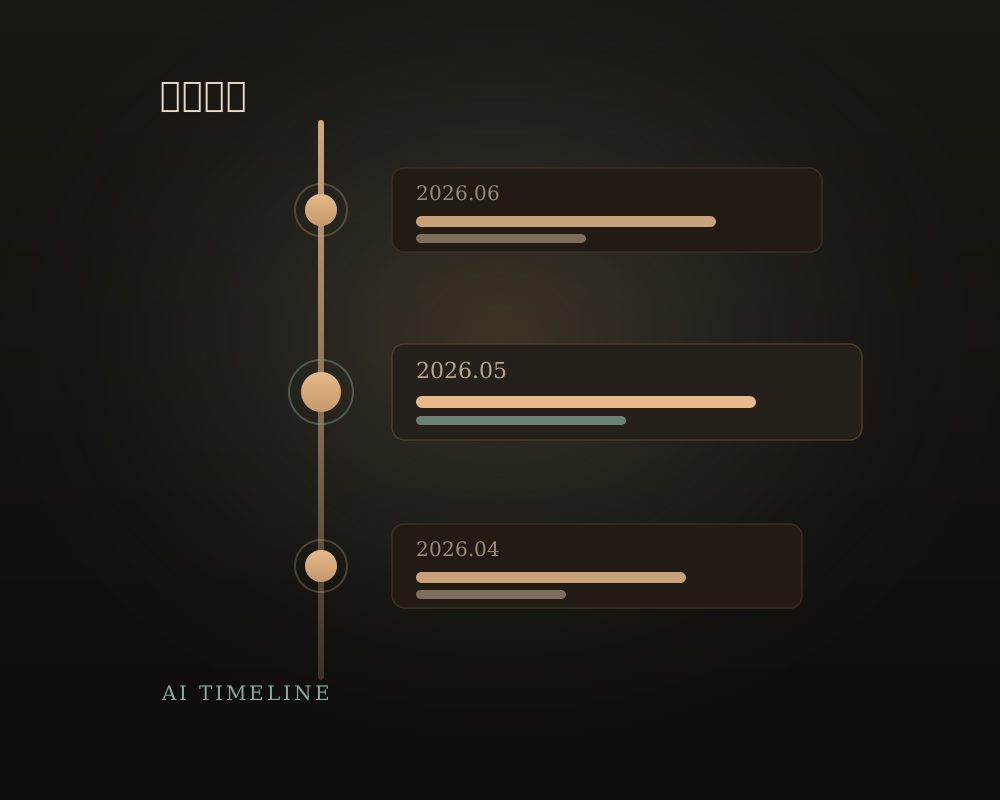
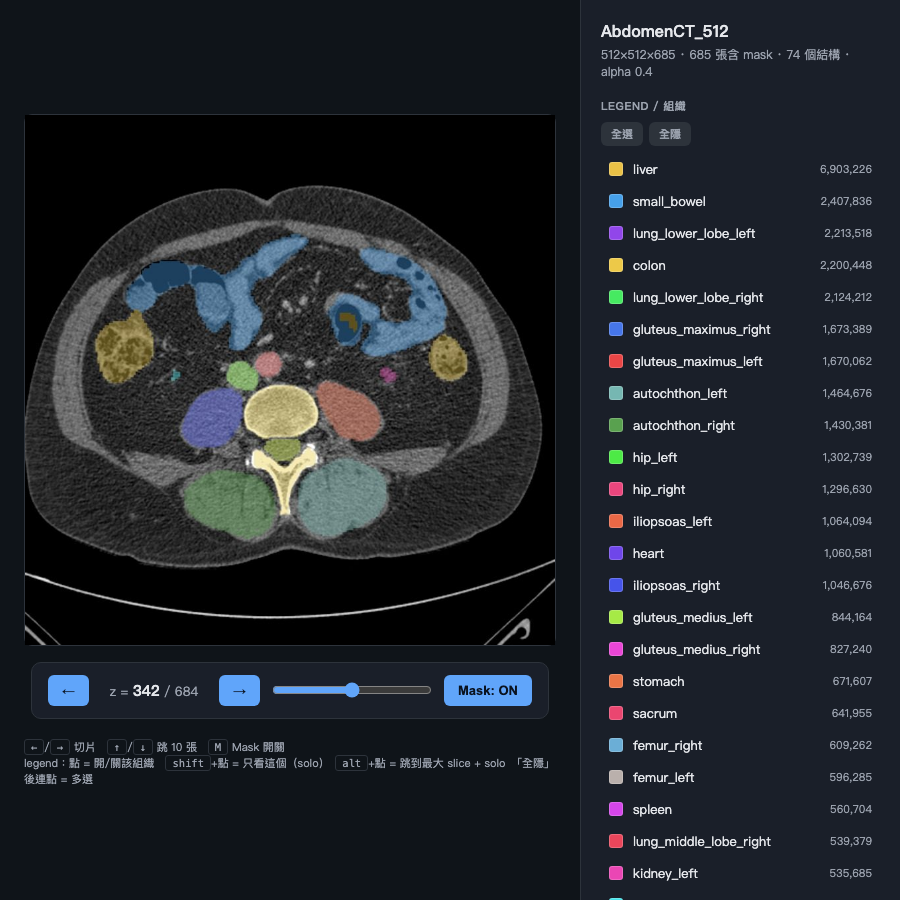
These projects make the work concrete: a clinical imaging workflow, a scientific explainer, a curated timeline, and a learning system.

Working method

04

How I work.

A practical way to turn uncertain ideas into artifacts another person can inspect and challenge.

STEP 01

Start with the real workflow

Observe the sequence, information, and exceptions before defining the tool.

STEP 02

Write testable requirements

State what the system must produce, what counts as acceptable, and how it will be checked.

STEP 03

Build the smallest useful version

Make the idea inspectable before expanding its scope.

STEP 04

Verify with another reviewer

Record tests, evidence, and limitations instead of relying on a demo alone.

Research

CLR-voyance

Clinical reasoning research.

Read the research case →
Access · Context required

Research, Built in the Terminal

A restricted portfolio of self-directed research systems and unpublished work. It appears after public evidence and never opens a password prompt from this site.

Request a guided preview

Next step

Bring one clinical or product problem.

The most useful conversation starts with the workflow, the decision that matters, and how success would be checked.