Now reading Complete version
Back to short ↗
Prelude · in motion “Just one more iteration.” A practice habit, ported to clinical AI.
scroll

Andrew Huang

黃聖瀚

NYCU M6 → NTU Smart MHI · Sept 2026

Clinician-builder working at the interface of clinical workflow, AI system design, and hospital implementation.

Sixth-year medical student at NYCU, clerking at Taipei Veterans General Hospital. Co-developer of the ASUS Clinical AI Assistant — live in production at VGHTPE since 2025-11-12. Heading to NTU Smart MHI this September to push the same line of work: AI that actually enters hospital workflows, not just demos.

The 30-second version

I work across clinical workflow, AI system design, and hospital implementation — the layer many projects underestimate. Through the ASUS × VGHTPE Clinical AI Assistant, I help translate real ward needs into LLM-powered features clinicians can use in clinical workflows. The goal is not more demos. The goal is AI that survives contact with hospitals.

First production deploy
0hospital
Live clinical AI
3+ yrs building
Sophomore-year code origin

How I got here

Origin
🇲🇾Born in Sabah, Malaysia

Grew up in Sabah, Borneo. Came to Taiwan as a 僑生.

2019
NTNU Overseas Chinese Prep

Year of Mandarin + entrance prep at 國立臺灣師範大學 僑大.

2020 – 2026
NYCU School of Medicine

Six years of med school at 國立陽明交通大學. Picked up coding sophomore winter — Miracle Shiba.

2024 – 2026
VGHTPE Clerkship & Subinternship

M5–M6 ward time at 臺北榮民總醫院. Where the AI gap actually is.

2025-11-12
ASUS × VGHTPE — Shipped

Co-developed and shipped the ASUS Clinical AI Assistant into production at VGHTPE.

Now in production

Live in production · since 2025-11-12

ASUS Clinical AI Assistant智慧病歷助手 · @ VGHTPE

A clinical documentation assistant deployed inside Taipei Veterans General Hospital — co-built by bridging clinician workflow, ASUS engineering teams, and real ward needs that survive iteration.

The problem

Clinicians at VGHTPE spend hours daily on documentation tasks that demand judgment but reward almost none of it — note-writing, summarization, discharge prep.

My role

Clinical workflow bridge: shadowed residents to surface real needs, worked with ASUS engineering on LLM prompting + EMR integration, iterated with attendings on acceptance criteria. Cross-team alignment was the hardest and most decisive piece.

Outcome

Live in production at VGHTPE since 2025-11-12. In active clinical use since launch. Showcased at the Medical Technology Expo (Dec 4–7, 2025).

LLM prompting EMR integration Clinical workflow Stakeholder alignment Real hospital deploy
Go-live date
1hospital
Production deploy
3teams
Cross-org alignment

What it changes: the way clinicians approach documentation. By supporting note-writing, summarization, and discharge preparation, the system aims to reduce repetitive documentation burden and free more attention for patient care.
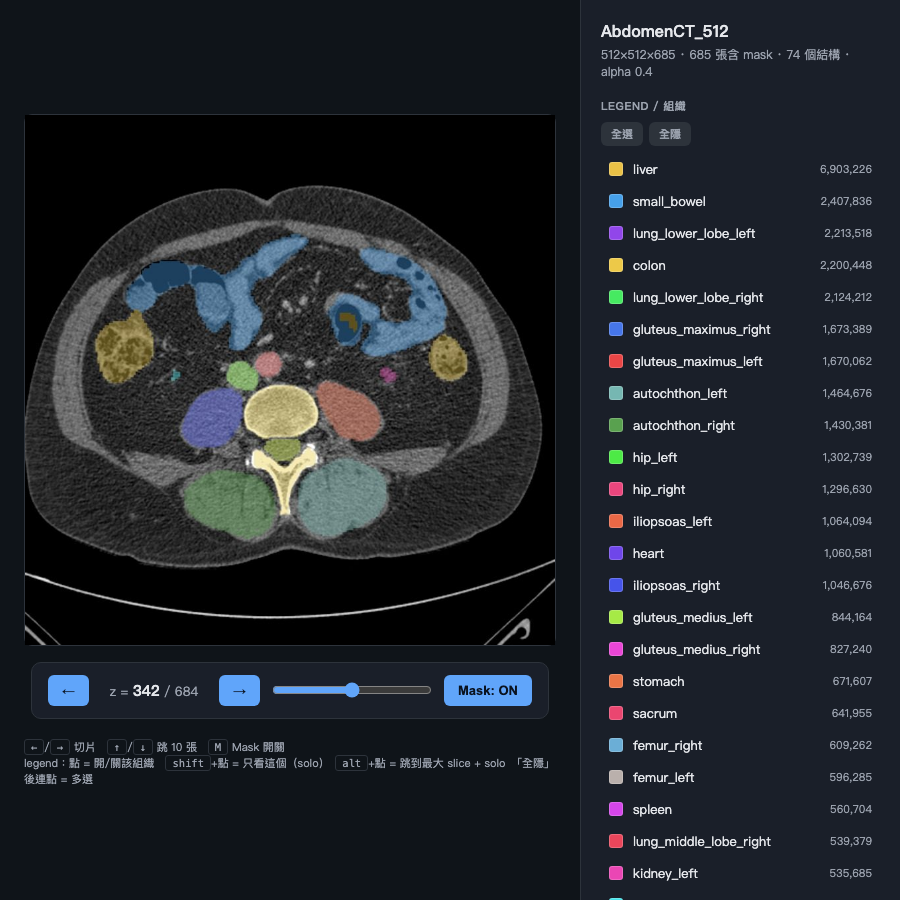
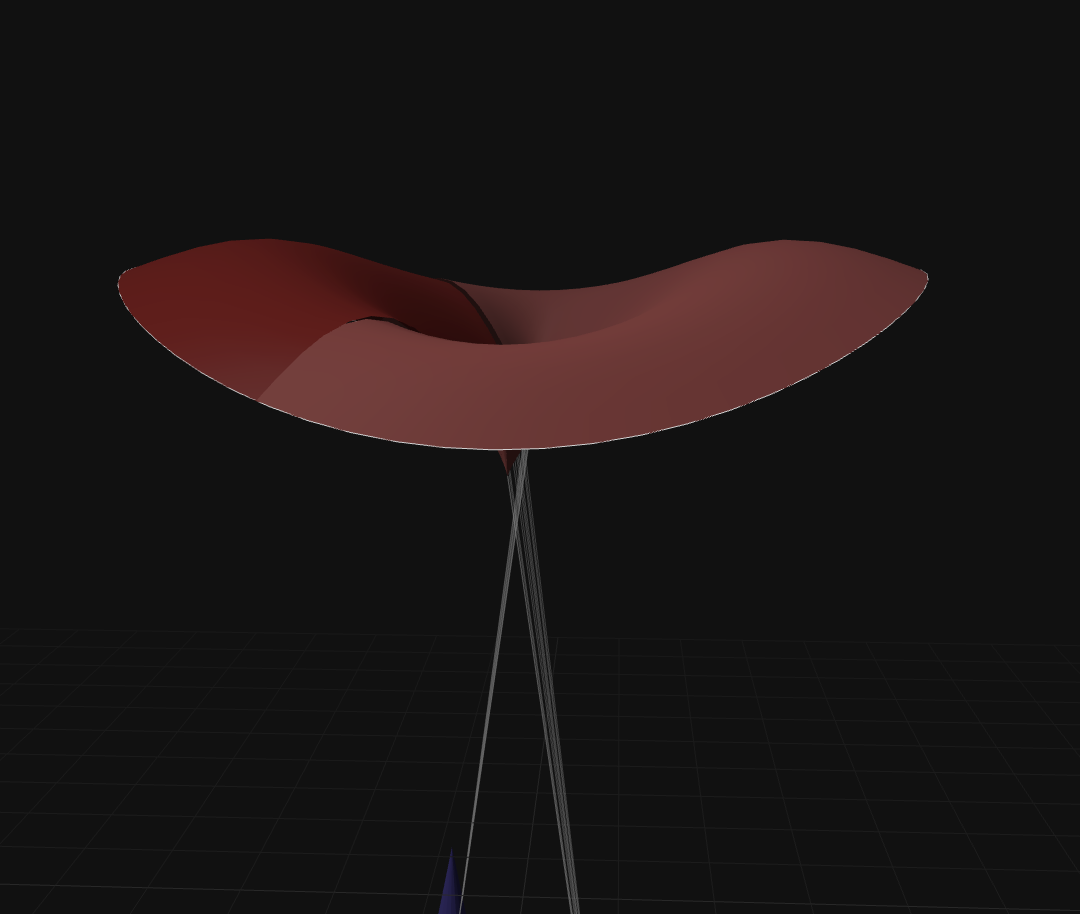
Showcased at Medical Technology Expo (Dec 4–7, 2025)

Other projects click any card

Three years of building — from sophomore coding origin to vibe-coding sprints to clinical AI. Each project taught a different layer of what shipping software actually requires.

Recent invited talk a different kind of work — sharing what I've learned

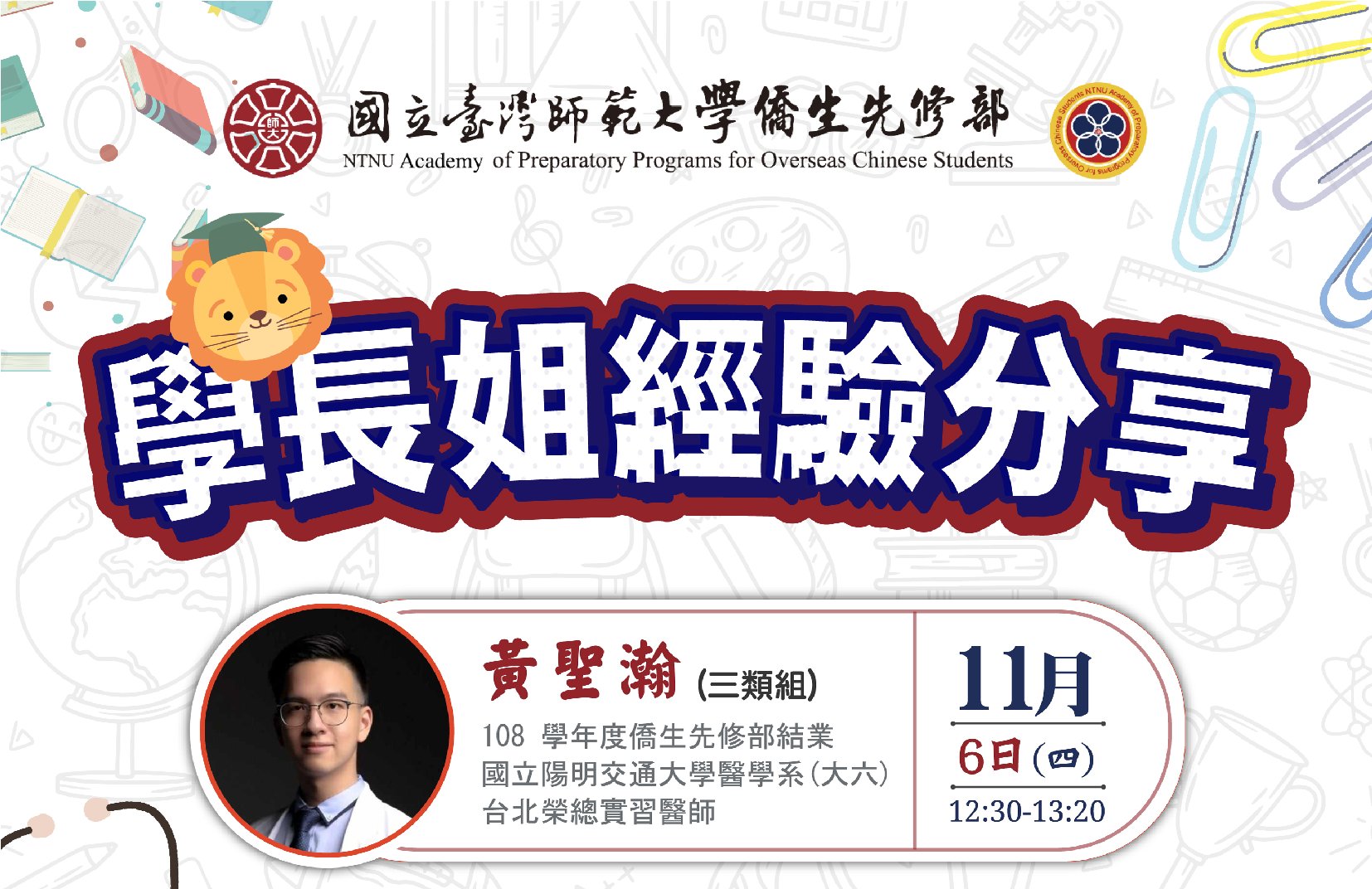
NTNU 僑大 invited speaker poster

Speaking · alumni return

致, 想念醫學系的你

Nov 2025 · NTNU 僑大 · invited speaker

Returning to NTNU Overseas Chinese Preparatory Programs as an invited speaker — six years after sitting in the same classroom myself. A reflection on choosing medicine, navigating the path, and what to say to the version of you who is just starting.

Invited speaker NTNU 僑大 Nov 2025
read the full story →
Behind the talk

An invitation from MiSky Wang 老師 — who was my English teacher when I was the student. Six years later, she was the one who handed me the 感謝狀.

The room was fuller than expected; some people standing at the door. The full reflection — and photos — live on the talk page.

Building now

Two threads in motion. If you're working on similar things — or you know someone who is — let's talk.

Clinical Reasoning Evaluation @ CAA × ASUS AICS

ongoing

Continuing the work behind the deployed ASUS Clinical AI Assistant — comparing model outputs, aligning rubrics, surfacing how the system handles uncertainty and impression ranking on real ward data. The unglamorous part of clinical AI that decides whether the system actually helps a physician form a better impression.

focus output comparison · rubric alignment · uncertainty handling

Reusable Templates for Clinical AI Feasibility

developing · internal

Developing reusable internal templates for fast clinical AI feasibility testing — directory layout, model selection, validation checklist, deployment SOP — distilled from the CT-Annotation v1 build and early expert feedback. Open-source release is a maybe, not a promise.

stack opinionated templates · validation checklist · deploy SOP

Looking for collaborators

  • Clinical workflow + AI evaluation experts — people who can judge whether an AI output actually helps a clinician, beyond benchmark scores.
  • Hospital implementation & governance — informatics dept, infosec, hospital admin, smart-medicine offices. The people who know where a system actually breaks on its way in.
  • High-agency builders — comfortable with fast prototyping, willing to push back on which prototypes deserve research, which deserve deployment, which deserve the back burner.

If you're working on similar things — or know someone who is — drop me an email. I usually respond within a few days.

About

I'm not trying to be a software engineer with an MD, and I'm not the typical "medical student who learned AI" archetype. I'm building a different lane — clinician-builder, sometimes called a clinical AI operator: someone who can hold clinical workflow, AI system design, hospital politics, and data governance in the same head.

The actual edge isn't code + clinical. It's four things stacked: cross-functional translation — between engineers and physicians, where many projects die at the interface; fast — observation to prototype in hours, not weeks; implementation-aware — thinking about permission control, audit trail, who maintains the system at 2 a.m. — not just model performance; and self-made cross-domain — no formal CS background, picked up engineering inside med school, learned hospital politics by being inside them.

I build and evaluate clinical AI systems that are not only technically impressive, but also realistic enough to enter hospital workflows. That is the direction I'm deliberately building toward.

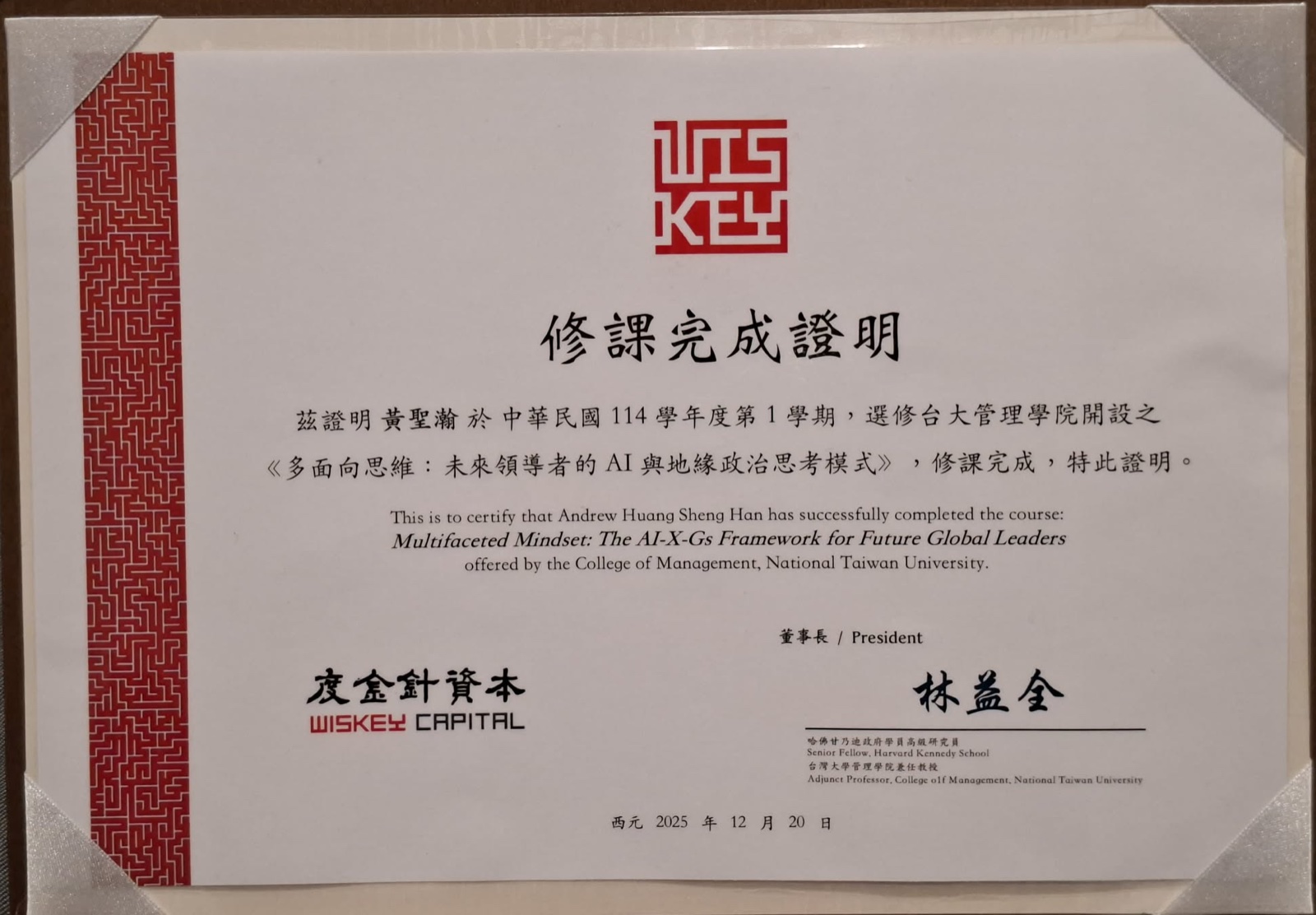
Alongside the building, I've taught the AI side to clinicians and learning communities — TA & lead facilitator for NYCU's Medical Pain-Point Workshop (AI-enabled medical education), invited speaker at NTNU 僑大 sharing learning & interdisciplinary strategies, and educational content contributor for VGHTPE's Department of Medical Education.

Where I'm headed

Joining NTU Smart MHI in September — not only for the degree, but to systematize what I've been building in fragmented form. Five concrete tracks I want to pull together:

  • Clinical AI implementation — getting AI into hospital workflows, not just demos.
  • Clinical reasoning evaluation — diagnostic reasoning, uncertainty handling, impression ranking.
  • Smart EMR / CAA-style systems — reading nursing notes, prior records, ER/OPD/inpatient charts to support better impressions.
  • Hospital AI governance — permission, audit, data scope, model usage policy.
  • Agentic AI in hospitals — controlled agent layers with tool use, logging, permissions; not random LLM calls hitting the HIS.

Credentials & training

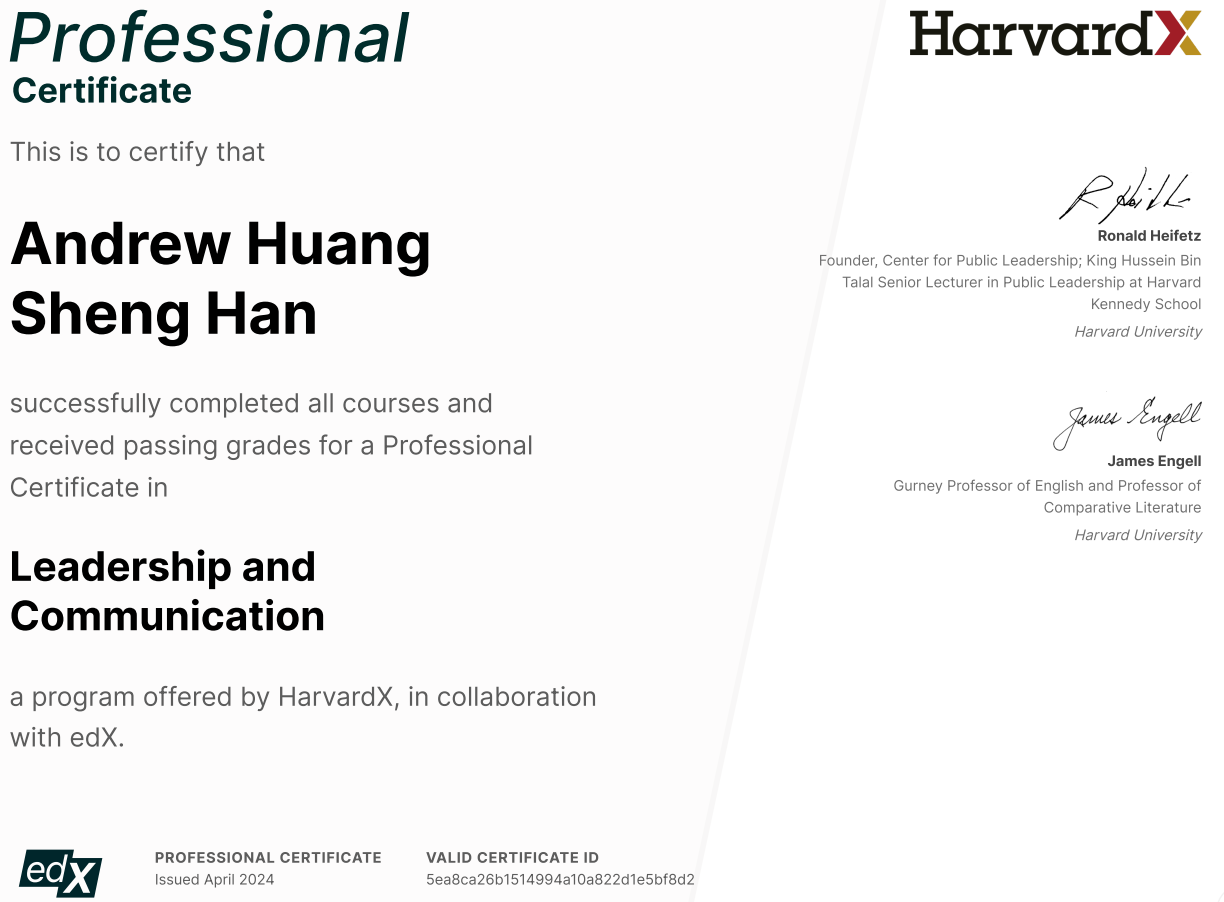
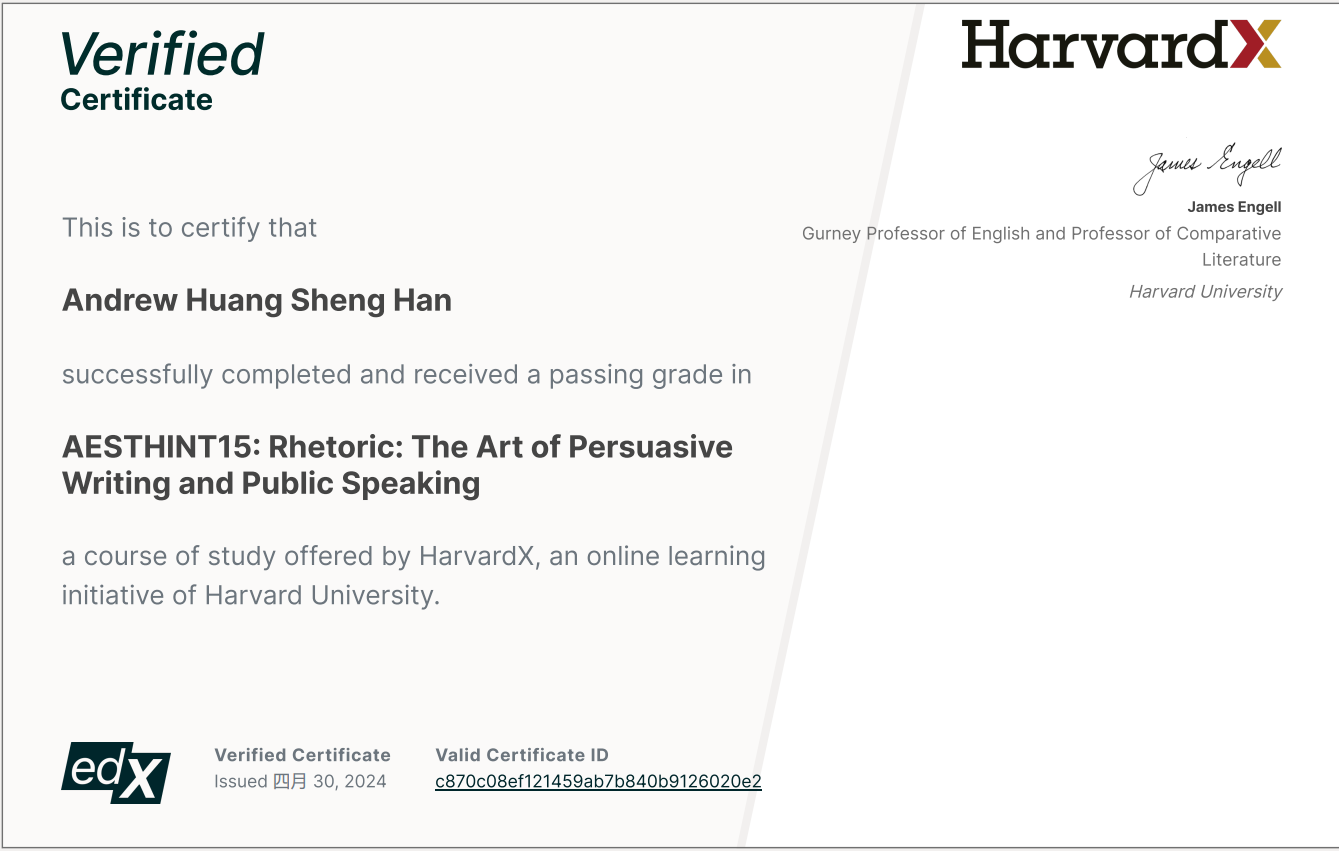
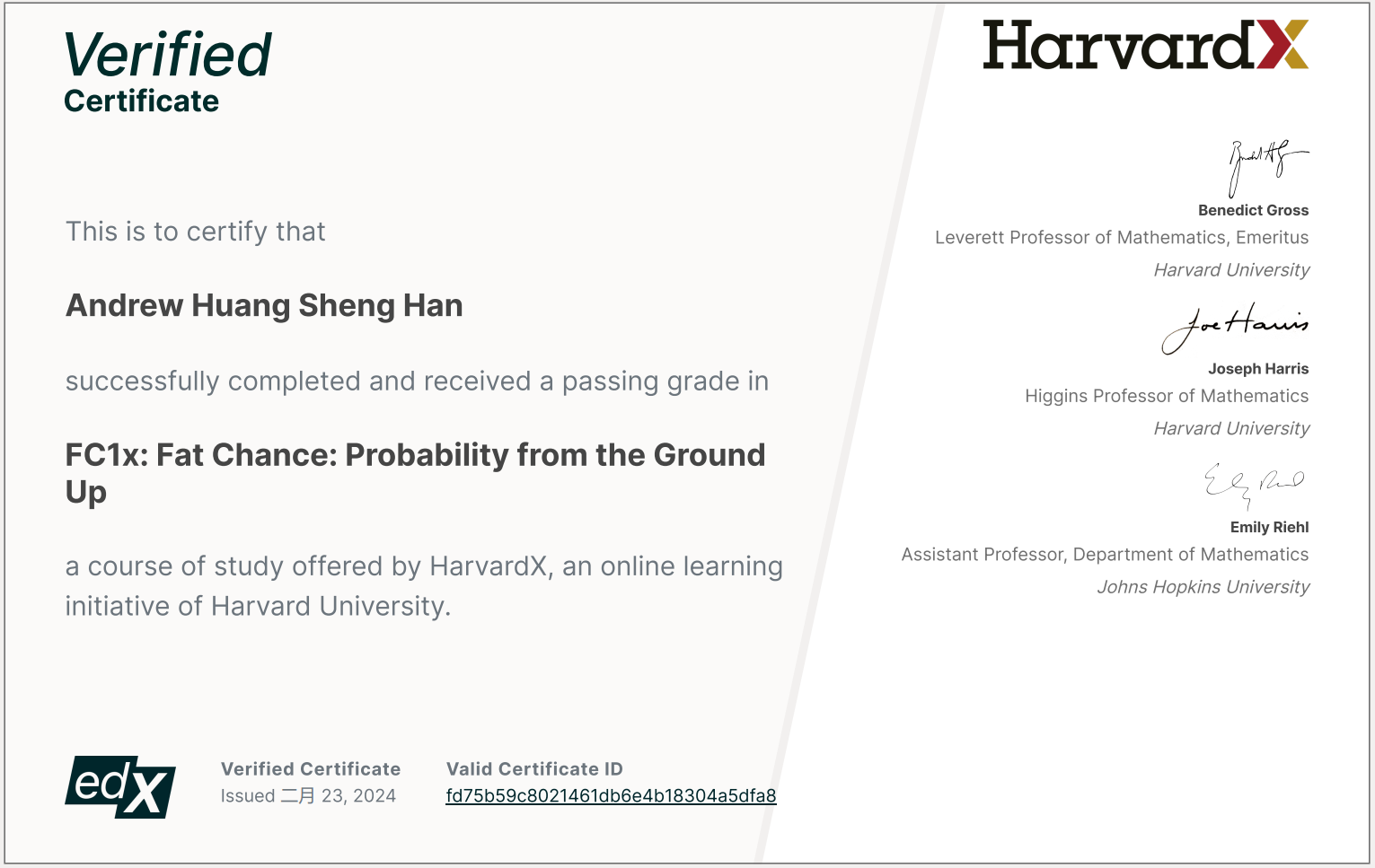
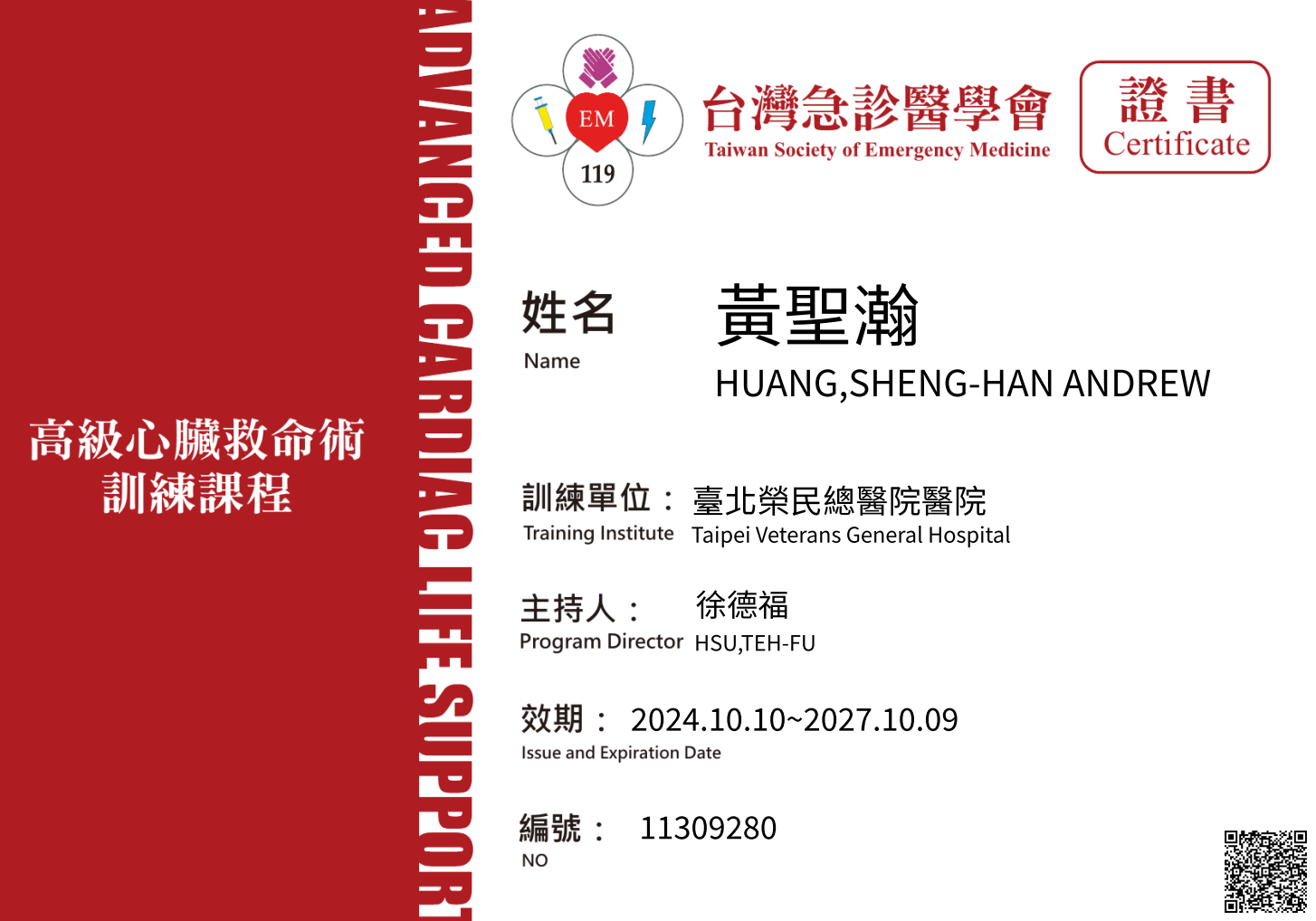
Self-curated coursework, certs, and clinical credentials that round out the clinician-builder lane — leadership, communication, statistical reasoning, and the clinical baseline.

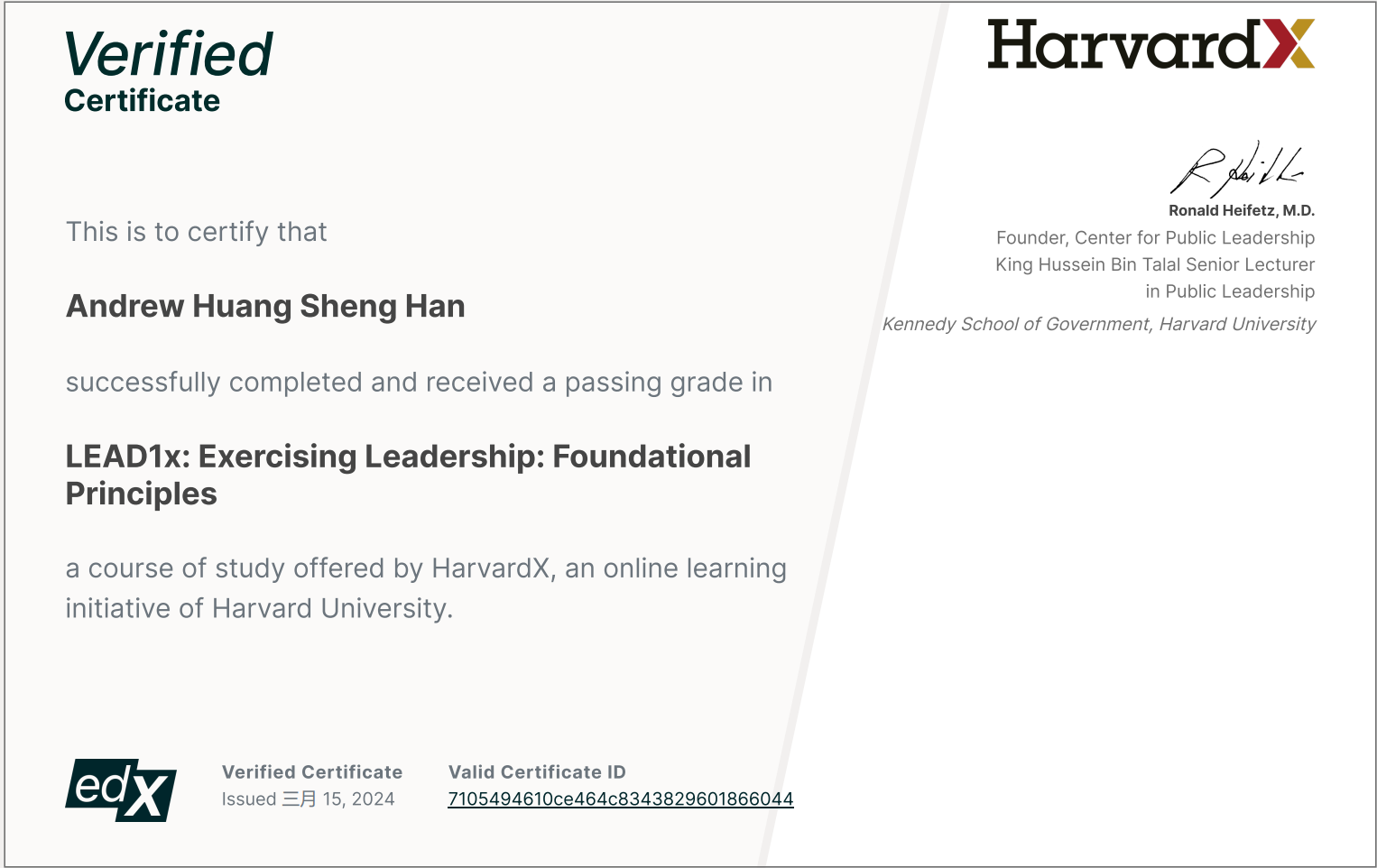
NVIDIA Developer Program member since 2023/10 · GPU + AI tooling exposure
2020 AI Development & Application Online Program NTU Office of International Affairs · Grade A+ · 1 credit

Speaking & teaching · 2025

Where I've shared the clinician-builder work this year — case presentations, an invited alumni talk, and teaching contributions in clinical AI & medical education.

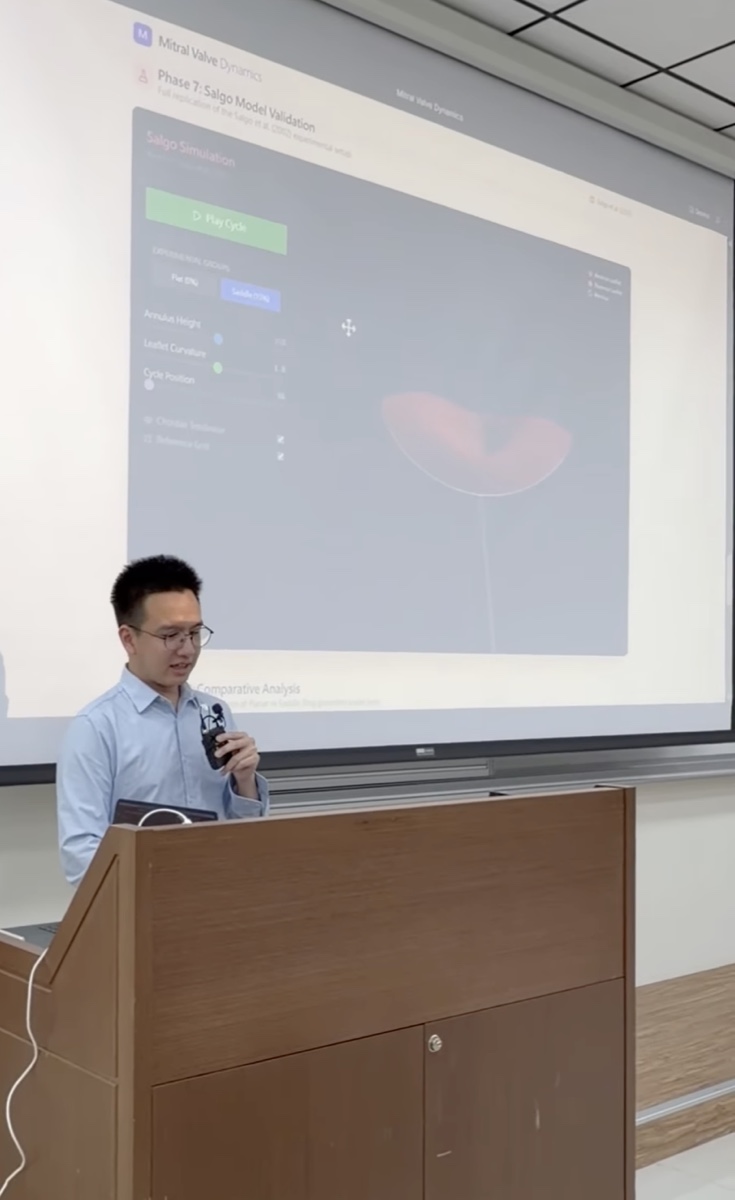
Andrew Huang presenting Mitral Valve case at NTU 管院 SLC × AI-X-Gs class
Featured NTU 管院 · AI-X-Gs SLC · 2025
Mitral Valve case · faculty recap ↗
NTNU 僑大 invited speaker poster — Andrew Huang
NTNU 僑大 · Nov 2025
致, 想念醫學系的你 — invited alumni talk ↗
NYCU SOM · Practice of Medical Education · 2025
Pain-Point Workshop Lead

Invited by Dr. Pin-Hsiang Huang 黃品翔醫師. Led a workshop and facilitated discussion on implementing medical education in an AI-enabled environment; guided NYCU 4th-year medical students on practical use of AI tools.

VGHTPE · Dept of Medical Education · Dec 2025
Educational Content Contributor

Recorded instructional materials to support trainee onboarding and clinical documentation workflows (completed recording on Dec 11, 2025).

Beyond medicine

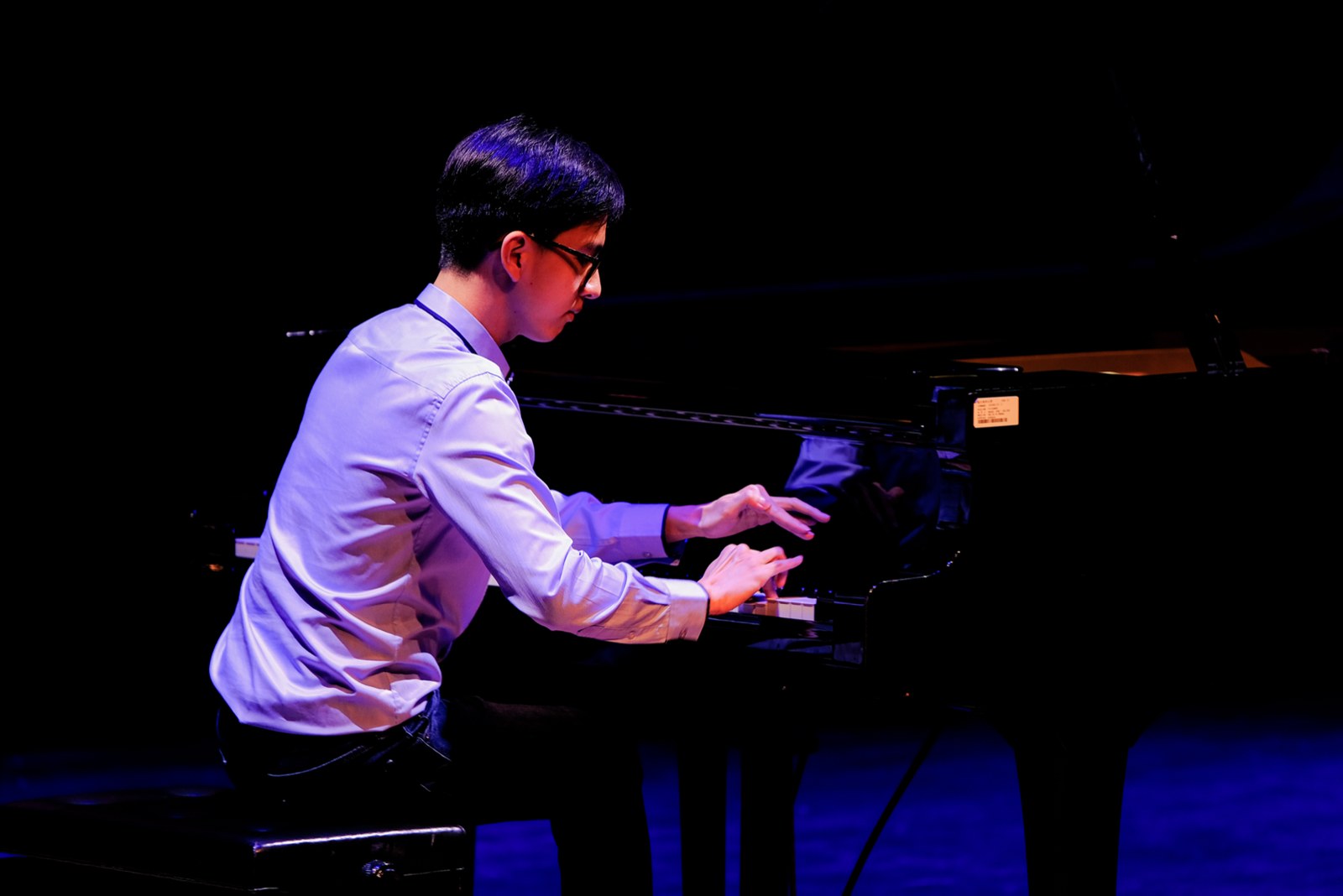
Piano

Started age 11 · ATCL 2018

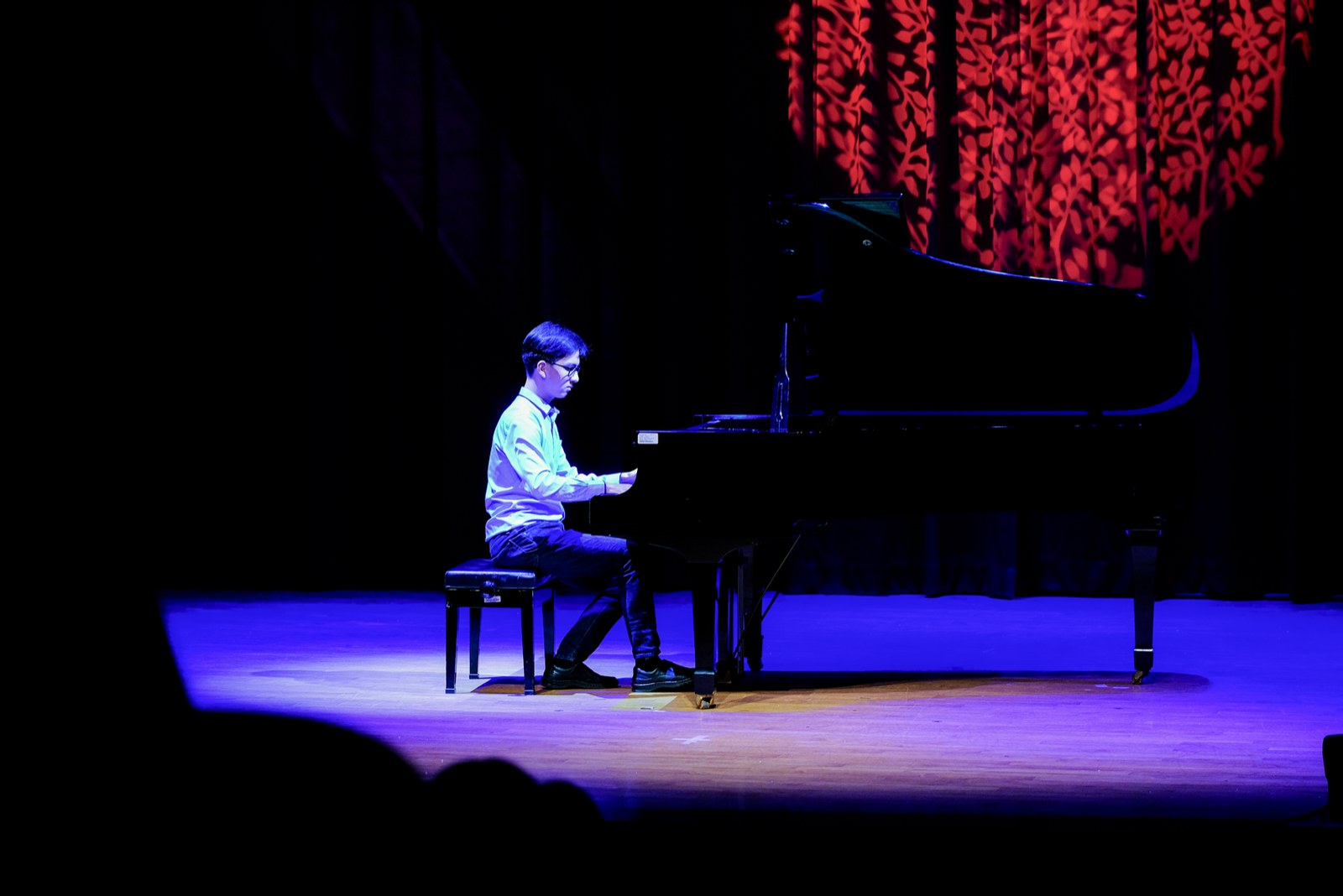
Started piano at 11. ABRSM Grade 8 by 14, Trinity College London Diploma (ATCL) by 18 (2018) — seven years from first lesson to performance diploma.

Music taught me what serious practice feels like — that “just one more iteration” state. I bring the same to debugging and to clinical training.

Andrew Huang on stage at the grand piano during a recital Recital · watch on YouTube ↗

AI Medicine Reading Community

cross-regional · ongoing

Built and participated in an AI medicine reading community bridging engineers, clinicians, and medical students across Taiwan and the US West Coast. We read across clinical AI, system design, neuroscience, philosophy — the things medical school doesn't cover but actually shape how you think about hospital-grade AI.

Chess

analytical · long-horizon

Long-horizon planning, pattern recognition, learning from people who are simply better than I am. The same mental muscle I rely on when sketching how an AI system has to play out three years from now — not just whether it ships next month.

Water polo

team sport · pressure tolerance

Different lesson: physical grit, team trust, performing while exhausted. The closest training I've had to working a busy hospital ward — someone always needs the ball, and you can't stop swimming.

Student leadership & debate

NTU SLC · Chinese Debate VP

Participant in NTU College of Management's Student Leadership Council (SLC) during my sixth year — a cross-discipline cohort working through real cases and decision frameworks. Earlier, served as Vice President of the Chinese Speech & Debate Club; organized state-level competitions. Different skill, same muscle: making a case under time pressure.

業餘 · Side projects

Study tools I built for my own clinical rounds — sharing here in case other med students find them useful.

Get in touch

Best way to reach me: email. I usually respond within a few days. If we've met, mention where so I can place the context.

If you're a clinician with an idea, an engineer curious about hospitals, or a fellow med student going through what I went through — I'd love to hear from you.