Now reading Short version
Read complete ↗
Prelude · in motion “Just one more iteration.” A practice habit, ported to clinical AI.
scroll

Andrew Huang

黃聖瀚

NYCU M6 → NTU Smart MHI · Sept 2026

Clinician-builder working at the interface of clinical workflow, AI system design, and hospital implementation.

Clinical AI in production·Learning systems in public·An AI production line behind both

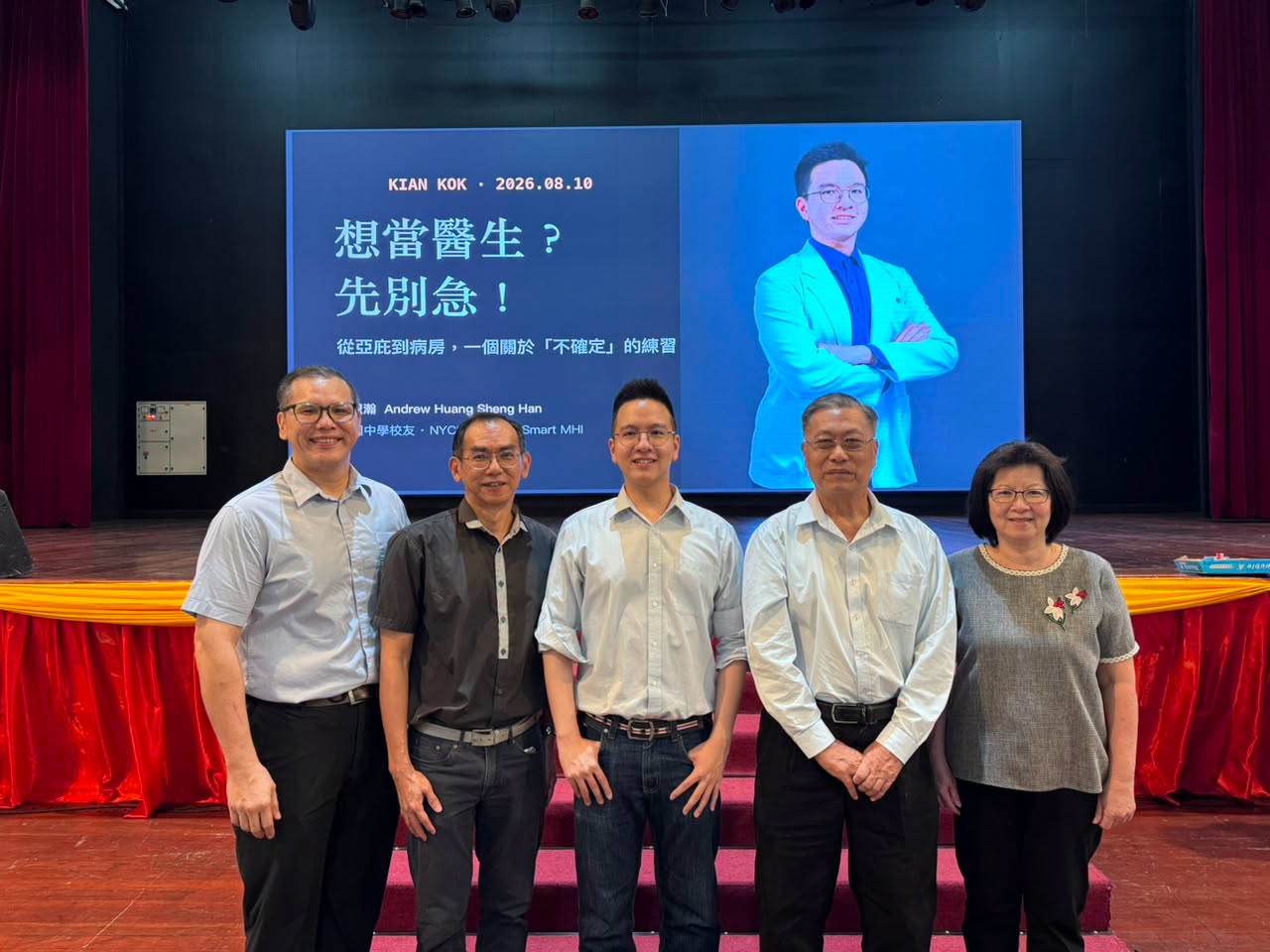
Sixth-year medical student at NYCU, clerking at Taipei Veterans General Hospital. Co-developer of the ASUS Clinical AI Assistant — live in production at VGHTPE since 2025-11-12. Heading to NTU Smart MHI this September to push the same line of work: AI that actually enters hospital workflows, not just demos.

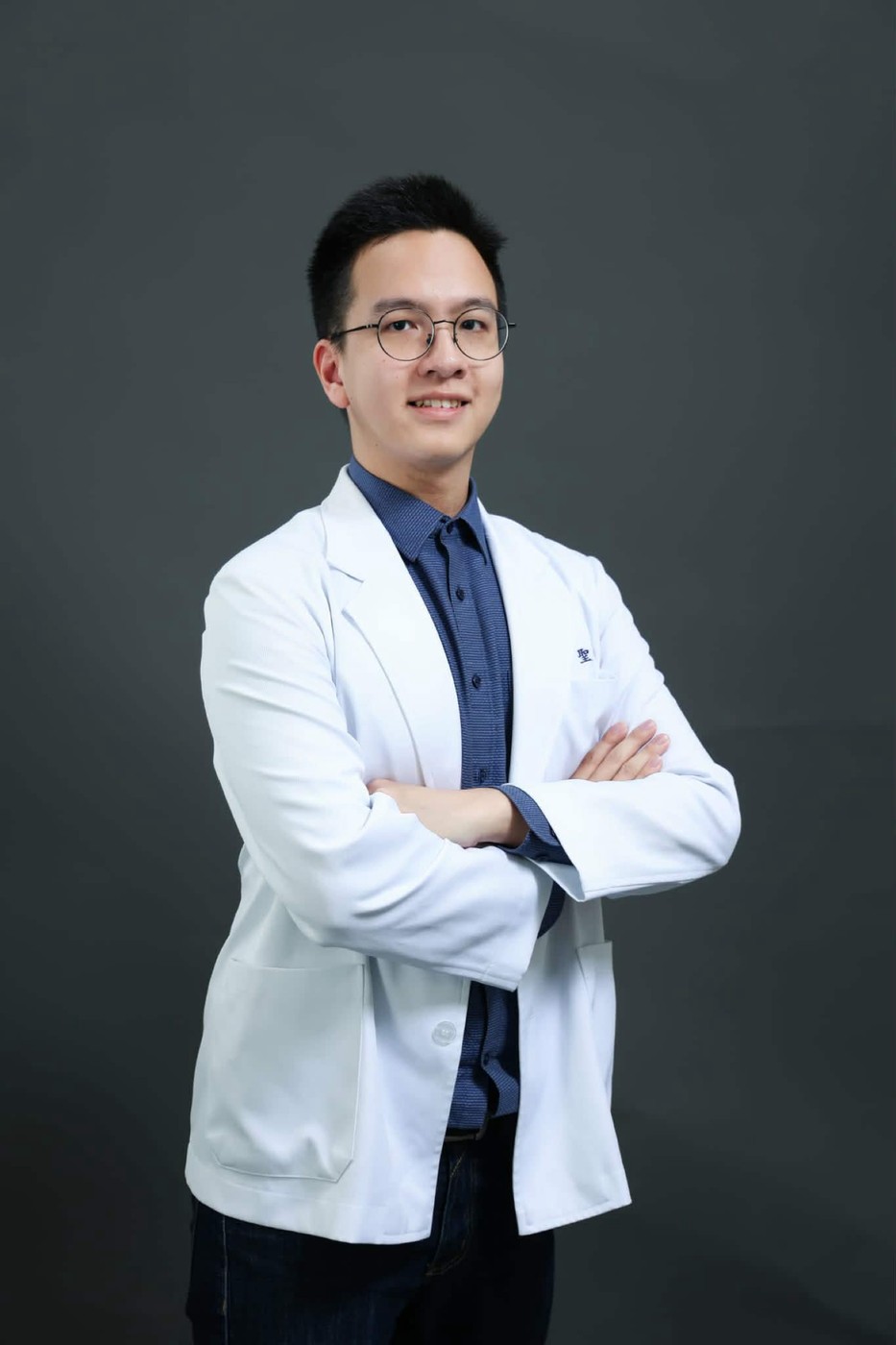
Andrew Huang — clinician-builder portrait A
Andrew · 黃聖瀚 NYCU M6 · 2026

In 30 seconds

First production deploy
0hospital
Live clinical AI
3+ yrs building
Sophomore-year code origin

Now in production

Live in production · since 2025-11-12

ASUS Clinical AI Assistant智慧病歷助手 · @ VGHTPE

A clinical documentation assistant deployed inside Taipei Veterans General Hospital — co-built by bridging clinician workflow, ASUS engineering teams, and real ward needs that survive iteration.

The problem

Clinicians at VGHTPE spend hours daily on documentation tasks that demand judgment but reward almost none of it — note-writing, summarization, discharge prep.

My role

Clinical workflow bridge: shadowed residents to surface real needs, worked with ASUS engineering on LLM prompting + EMR integration, iterated with attendings on acceptance criteria. Cross-team alignment was the hardest and most decisive piece.

Outcome

Live in production at VGHTPE since 2025-11-12. In active clinical use since launch. Showcased at the Medical Technology Expo (Dec 4–7, 2025).

LLM prompting EMR integration Clinical workflow Stakeholder alignment Real hospital deploy
Go-live date
1hospital
Production deploy
3teams
Cross-org alignment

What it changes: the way clinicians approach documentation. By supporting note-writing, summarization, and discharge preparation, the system aims to reduce repetitive documentation burden and free more attention for patient care.

Showcased at Medical Technology Expo (Dec 4–7, 2025)

Case studies full write-ups →

教材 · Interactive learning

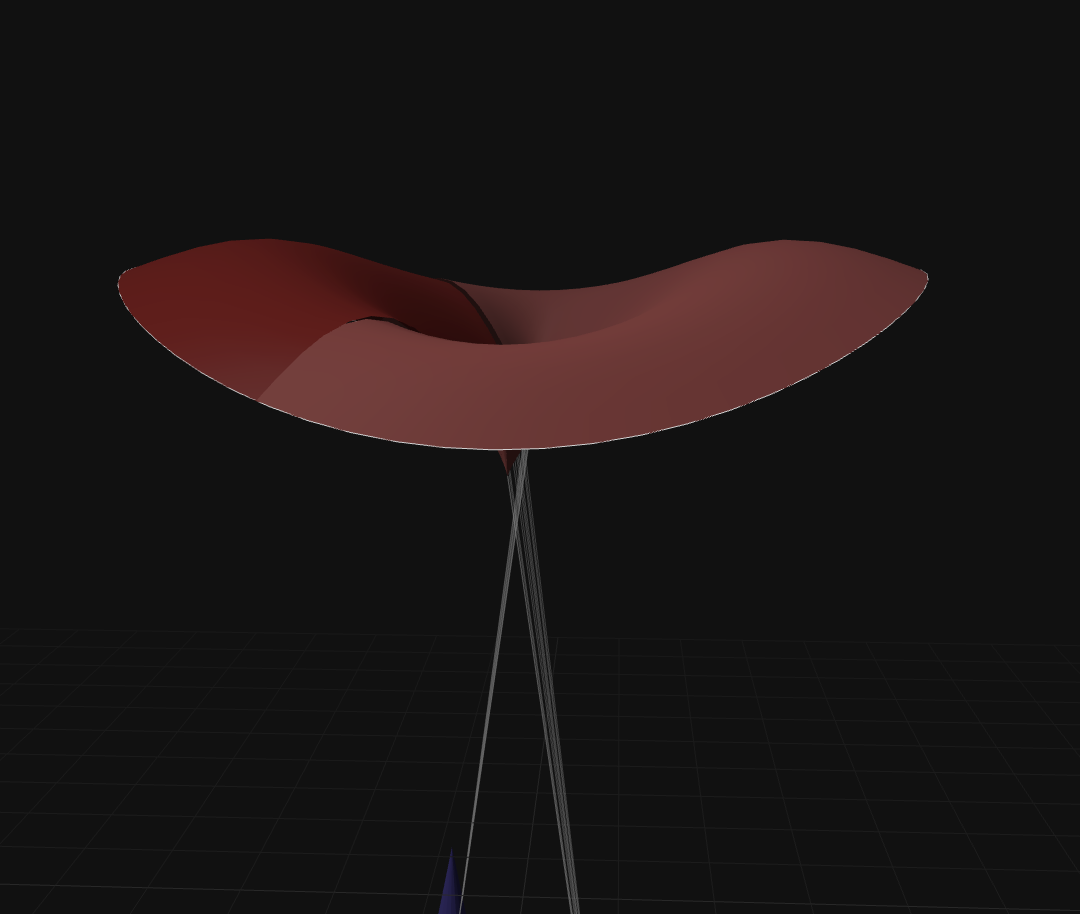
Interactive explainers and courses I build to make hard topics click — 3D, hands-on widgets, practice loops. Self-serve; for deeper collaboration on learning systems, email me.

How I build

Behind the projects above sits a production line — a multi-agent AI workflow with verification gates. Three principles carry all of it.

Spec before code

principle 01

Every build starts as acceptance criteria — what must be true when it's done. Code comes after the definition of done, never before.

The builder never grades its own work

principle 02

Whoever — or whatever — builds a thing doesn't get to be the only one that checks it. A fresh set of eyes, human or agent, has to try to break it first.

Ship with receipts

principle 03

Done means demonstrated: screenshots, checks, logs attached. “It should work” never ships.

It's how one person ships an interactive course in days, not months. Same line, different products.

Building now

Two threads in motion. If you're working on similar things — or you know someone who is — let's talk.

Clinical Reasoning Evaluation @ CAA × ASUS AICS

ongoing

Continuing the work behind the deployed ASUS Clinical AI Assistant — comparing model outputs, aligning rubrics, surfacing how the system handles uncertainty and impression ranking on real ward data. The unglamorous part of clinical AI that decides whether the system actually helps a physician form a better impression.

focus output comparison · rubric alignment · uncertainty handling

Reusable Templates for Clinical AI Feasibility

developing · internal

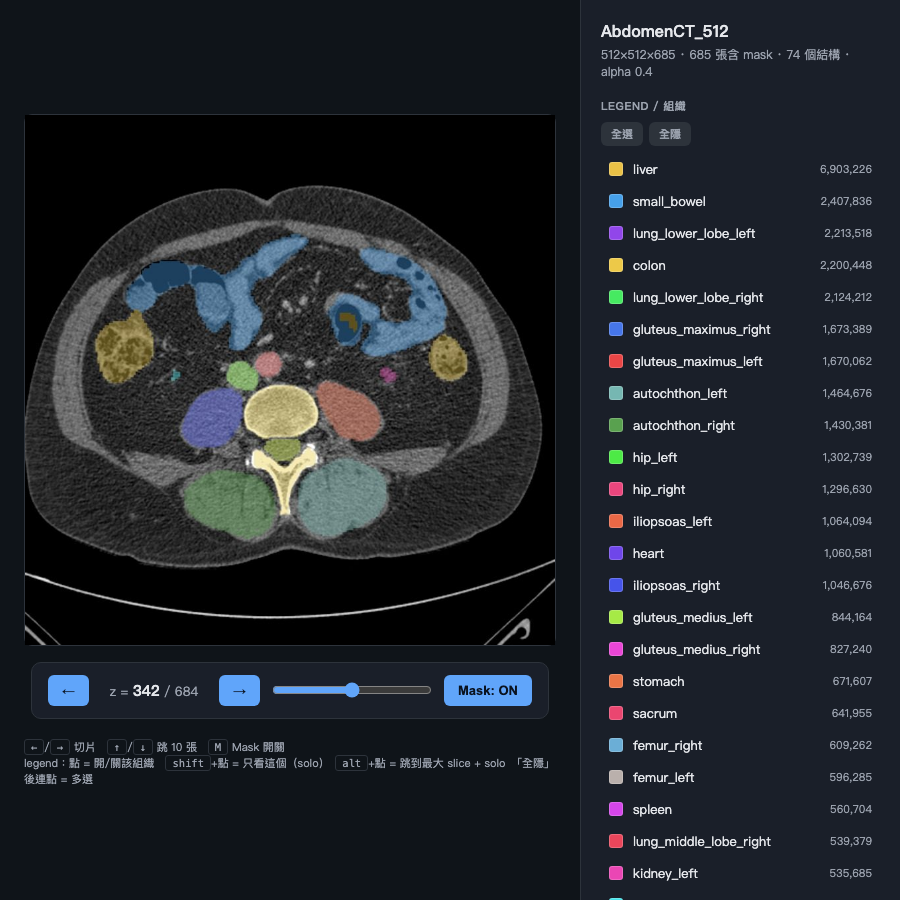
Developing reusable internal templates for fast clinical AI feasibility testing — directory layout, model selection, validation checklist, deployment SOP — distilled from the CT-Annotation v1 build and early expert feedback. Open-source release is a maybe, not a promise.

stack opinionated templates · validation checklist · deploy SOP

Looking for collaborators

  • Clinical workflow + AI evaluation experts — people who can judge whether an AI output actually helps a clinician, beyond benchmark scores.
  • Hospital implementation & governance — informatics dept, infosec, hospital admin, smart-medicine offices. The people who know where a system actually breaks on its way in.
  • High-agency builders — comfortable with fast prototyping, willing to push back on which prototypes deserve research, which deserve deployment, which deserve the back burner.

The easiest way to start: one small scoped project — two to four weeks, async-first — then we both decide if more makes sense. If that sounds workable, drop me an email. I usually respond within a few days.

About

I'm building a different lane — clinician-builder: someone who can hold clinical workflow, AI system design, hospital operations, and data governance in the same head. The actual edge is cross-functional translation, fast prototyping, implementation-aware design, and cross-domain depth picked up across years. Heading to NTU Smart MHI in September to systematize what I've been building in fragmented form.

Five concrete tracks I'm pulling together →

Credentials

View certificates + rooms attended/featured →
Want to go deeper? Read the full story Arc · all 4 projects with behind-the-project notes · full credentials gallery · beyond medicine · NTNU talk story

Lab · 實驗與業餘

Prototypes, experiments, study tools and origin pieces — kept visible and honestly labelled. Not everything needs to be a flagship; this is where range gets built.

活動 · 論壇筆記

Forums, talks and conferences I attend — digested into readable notes from the floor.

KEEP · 思考

A standing place for my thinking — raw, in progress, conclusions second. 還沒收斂的決策、second opinion、為什麼做 / 為什麼不做。

Get in touch

Best way to reach me: email. I usually respond within a few days. If we've met, mention where so I can place the context.

If you're a clinician with an idea, an engineer curious about hospitals, or a fellow med student going through what I went through — I'd love to hear from you.